
Regenerative Land, Farm, & Restoration Development
Land Design Rooted in Permaculture
At Ecology Artisans, our land development work is grounded in the principles of permaculture — designing landscapes that function as resilient, interconnected living systems.
We partner with landowners, farmers, and homesteaders to shape land that is both productive and deeply beautiful. From watershed restoration and pond development to agroforestry and whole-farm layout, our work focuses on creating systems that improve with time.
This is ecological design rooted in long-term stewardship.
Our Design Foundation: Applied Permaculture
Permaculture is not a trend or aesthetic — it is a framework for observing patterns in nature and designing human systems that align with them.
We design with:
-
Whole-site observation
-
Water-first planning
-
Stacked functions and ecosystem restoration
-
Soil as a living ecosystem
-
Long-term resilience over short-term output
Every decision considers how water flows, how soil builds, how plant communities interact, and how people move through and manage the land.
The result is a landscape that functions as a cohesive whole.
Living Food, Designed as a System
Each regenerative farm environment may include:
-
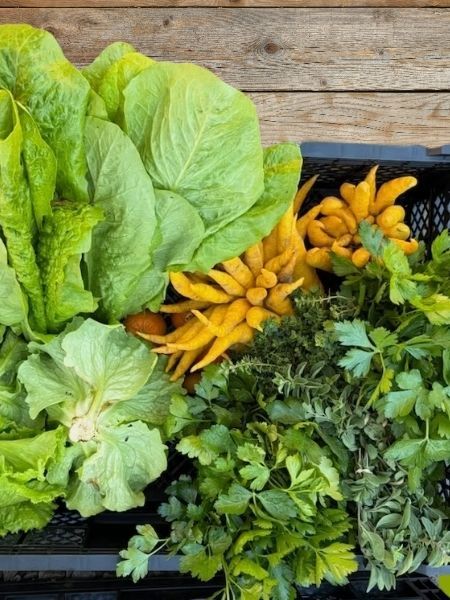
Integrated orchard, herbs, flower, and perennial food systems
-
Seasonal kitchen gardens designed for beauty and productivity
-
Regenerative soil-building and composting strategies
-
Water-wise irrigation and rainwater integration
-
Pollinator and beneficial insect habitat
-
Spatial layouts that support gathering, harvest, and daily use
Every element is designed to work together — ecologically and experientially.

Beauty as a Reflection of Ecology
Working landscapes can be visually powerful.
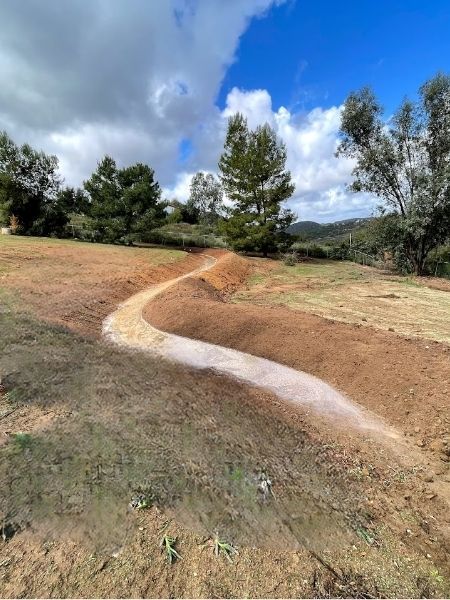
- Well-formed earthworks.
- Maturing orchards.
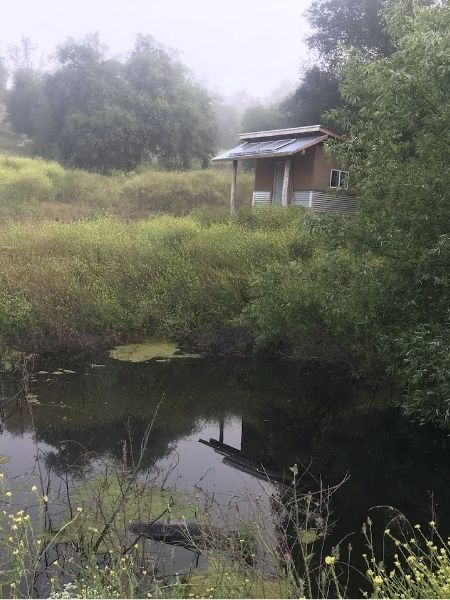
- Healthy ponds supporting habitat.
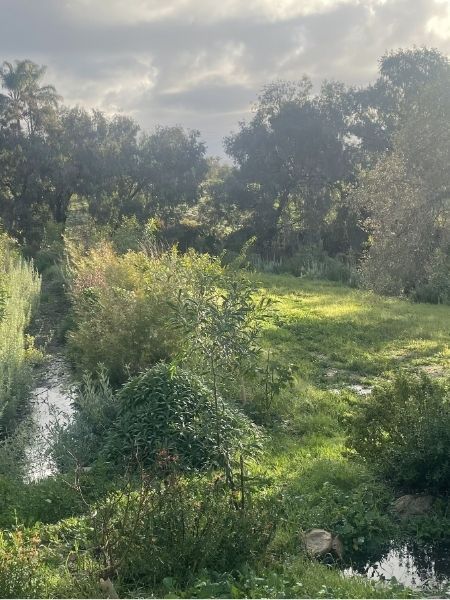
- Layered perennial systems shifting with the seasons.
- Restoration of living soils, plant ecologies, and living biology.
- Abundant harvests.
When ecological systems are designed well, beauty is not imposed — it emerges.
Core Focus Areas

Water Systems & Earthworks
Water is the starting point of regenerative land design.
We apply permaculture-based watershed principles to:
-
Pond siting and development
-
Swales, berms, and contour earthworks
-
Erosion mitigation
-
Rainwater harvesting
- Spring development
Slowing, spreading, and infiltrating water creates stability across the entire site.

Soil Regeneration
Healthy soil is the foundation of long-term productivity.
Our soil-building strategies prioritize:
-
Organic matter development
-
Biological activity
-
Thoughtful planting sequences
-
Perennial system integration
We design soil systems that become richer year after year.

Productive & Perennial Systems
Perennial structure anchors regenerative land design.
We support:
-
Orchard and agro/food forestry layouts
-
Shelterbelts and windbreaks
-
Polyculture planting strategies
-
Pasture and rotational planning
-
Biodiversity and habitat corridors
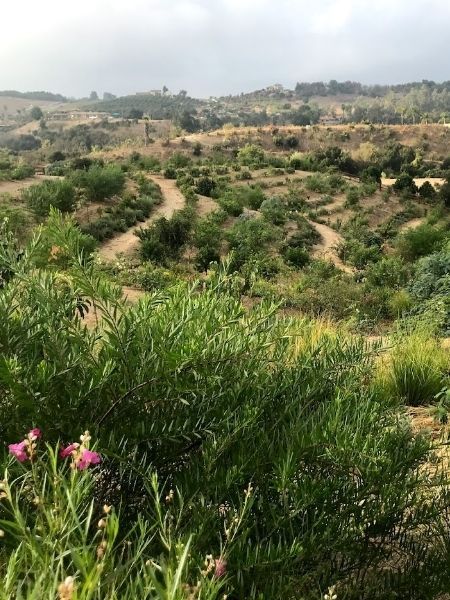
These systems are designed to mature into layered, resilient landscapes that require fewer inputs over time.

Who This Is For
Regenerative land design serves many types of property owners — from working farmers to rural land stewards who simply want their land to be healthier, more beautiful, and more resilient.
Farmers & Agricultural Landowners
For producers and land managers who want their land to work better — not just harder.
We partner with farmers seeking to improve the long-term performance and resilience of their acreage through regenerative design strategies that strengthen the foundation of the farm itself.
This may include:
-
Increasing on-site water retention and reducing runoff
-
Designing ponds and watershed infrastructure that stabilize seasonal variability
-
Integrating agroforestry, windbreaks, or perennial systems into existing operations
-
Improving soil structure, organic matter, and biological activity at scale
-
Reworking underperforming zones to align with natural patterns of slope, sun, and water
Rather than layering new inputs onto stressed systems, we focus on improving the underlying ecological processes that support productivity.
The goal is simple:
- More resilience.
- Better soil.
- Smarter water use.
- Long-term stability.
When land functions well, productivity follows.
Homesteaders & Small-Acreage Land Stewards
For landowners who want to transform a 1/4 acre to a few acres into something meaningful, functional, and enduring.
This may look like:
-
Establishing long-term food systems that mature over time
-
Designing orchards, food forests, or integrated perennial plantings
-
Improving water retention and drought resilience
-
Developing pasture, animal systems, or mixed-use layouts
-
Turning raw land into a cohesive, productive homestead
Many small-acreage properties sit in an in-between space — too large for simple landscaping, but not fully agricultural. We specialize in helping landowners bridge that gap.
Using permaculture design principles, we create thoughtful, phased plans that balance beauty, productivity, and practicality. Whether you’re just getting started or refining an evolving vision, we help turn ideas into systems that can actually be built and stewarded long-term.
Restoration & Rehabilitation Projects
Some landscapes carry the story of erosion, compaction, and neglect — but they also carry the potential for renewal. Not every property needs development. Some need healing.
We work with landowners whose properties are experiencing:
-
Persistent erosion or runoff issues
-
Poor water infiltration and excessive drainage
-
Compacted, depleted, or lifeless soils
-
Declining pasture or crop productivity
-
Areas of land that feel underperforming or disconnected
- Habitat loss or lack of healthy vegetation
Rather than treating symptoms in isolation, we look at the whole system.
Using permaculture design principles, we assess how water moves, how soil functions, and how vegetation patterns interact across the site. From there, we develop targeted strategies to restore ecological balance and long-term viability.
Restoration work may include:
-
Re-shaping land to slow and infiltrate water
-
Improving soil biology and organic matter
-
Re-establishing perennial plant systems
-
Stabilizing slopes and high-erosion areas
-
Re-aligning land use with the natural patterns of the site
The goal is not simply to “fix” a problem, but to guide the land back toward health, resilience, and productive function.
Over time, restored systems require fewer inputs, experience less degradation, and begin contributing positively to the broader landscape.
Let’s Explore What’s Possible
Every site is different. We begin by understanding the land, the people, and the long-term vision.
Whether a Homestead, Farm, or Ecological Restoration, each project starts with conversation.
Small Farm & Homestead Development
Project Overview – Bonsall, San Diego County
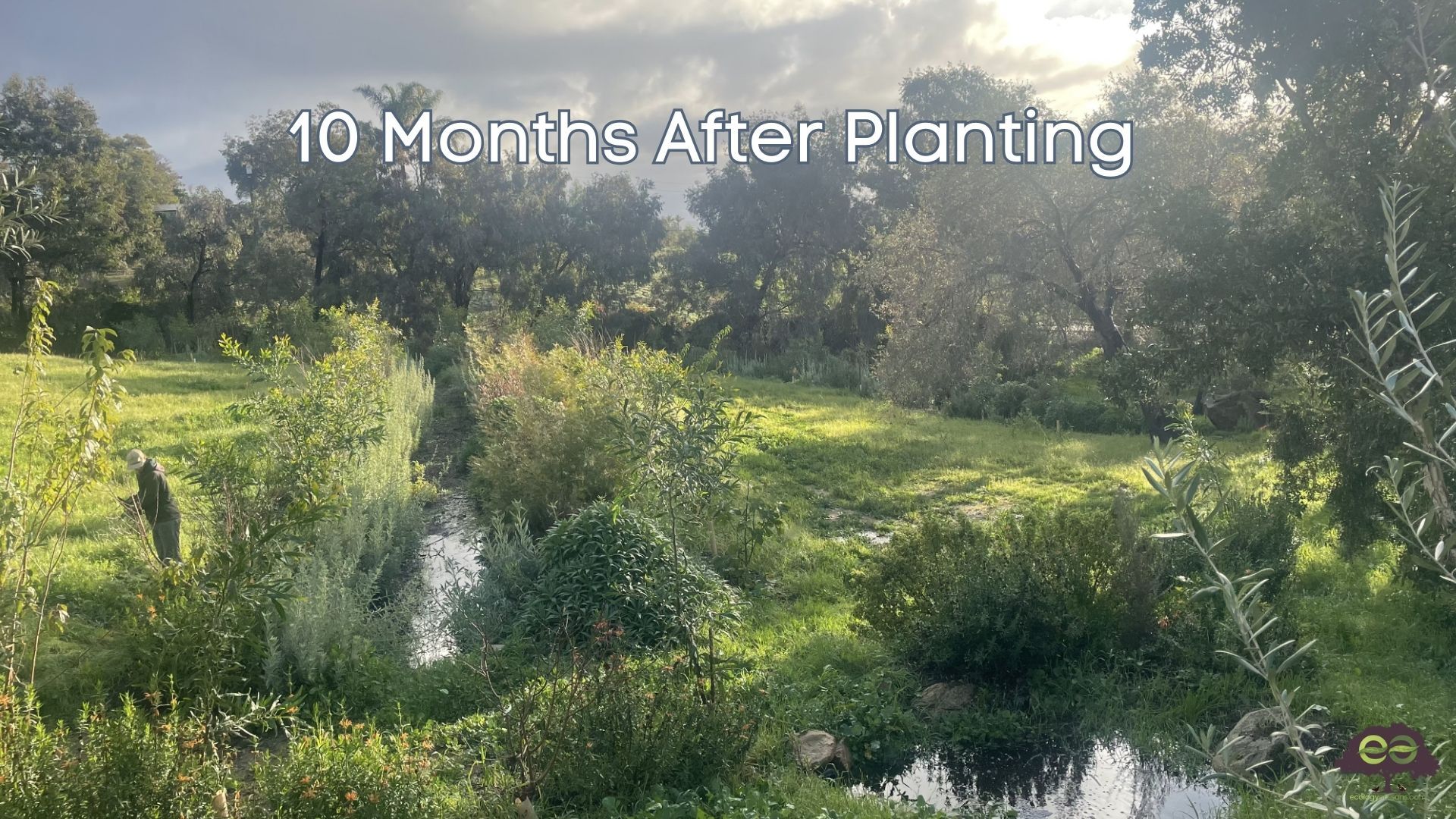
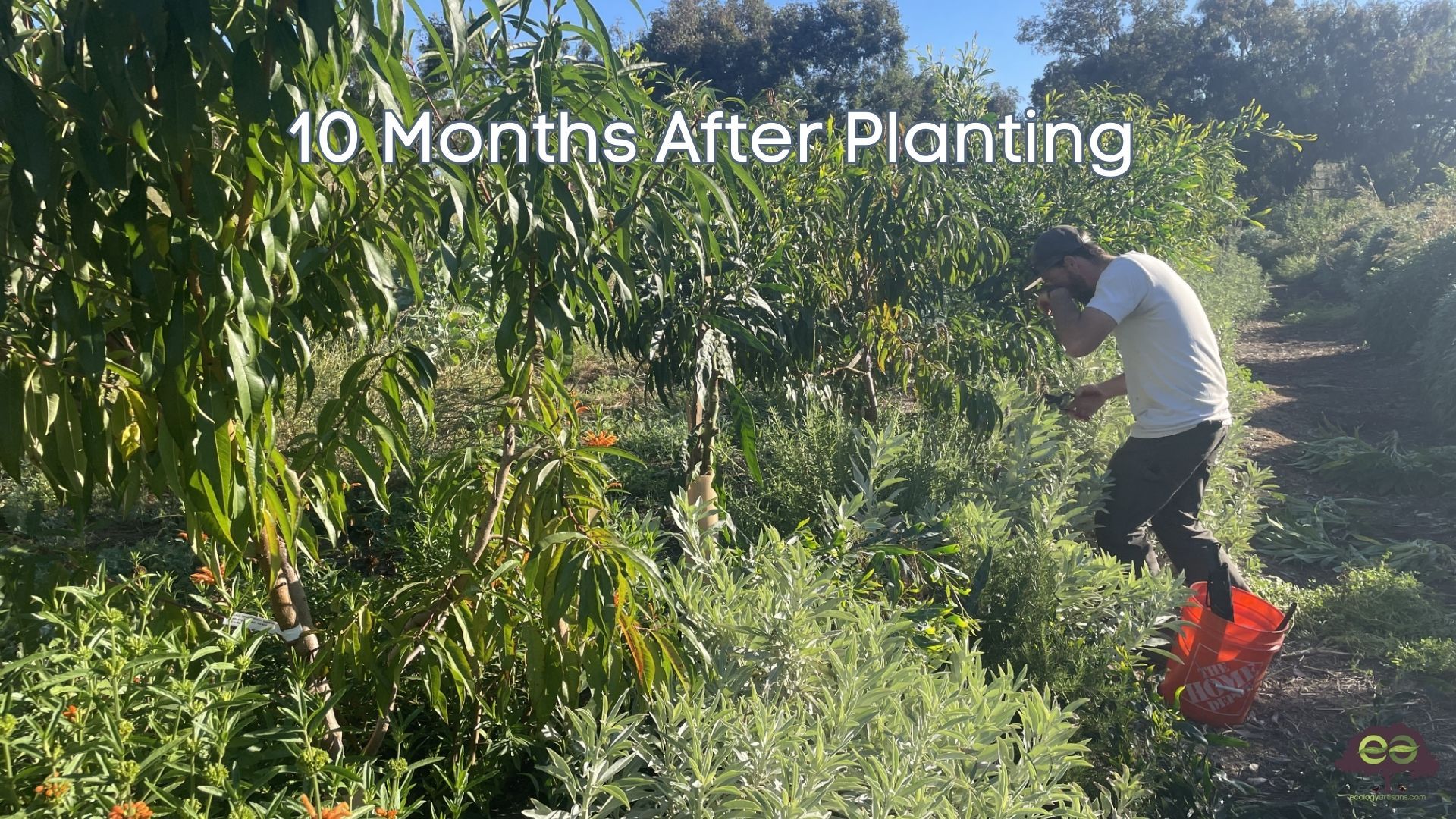
In this project, permaculture designer and Ecology Artisans co-owner, Josh Robinson walks through a thoughtfully developed small-acreage farm and homestead in the Bonsall area of San Diego.
This site demonstrates how permaculture principles can be applied at a meaningful scale — transforming land into a productive, resilient, and visually compelling system.
Highlights Include:
-
Watershed restoration and water retention strategies designed to slow, spread, and infiltrate rainfall
-
Diverse mixed-crop plantings that support year-round productivity and resilience
-
Integrated pest management and fertility systems that reduce reliance on external inputs
-
Layered perennial structure that strengthens the landscape over time
-
A sense of true abundance — both ecological and agricultural
This project reflects what is possible when water, soil, crops, and landform are designed as an interconnected whole.
Watch the video below for a guided walkthrough of the site and a closer look at how these systems function together on the ground.
Bonsall Site - After Some Progress

Review
"I worked with Ecology Artisans on a project in Louisiana called Emerald Land. It involved advising me on the potential of the 8000+ acres of marshland and pump-off land as an regenerative farm with livestock and perennial crop management. We spent four days together on the property identifying species, taking soil and water samples and generally determining the quality of the land for the future I had in mind. The end result was a 57 page in depth report with a very detailed analysis of the property and its possibilities. Presented within a fifteen year time frame and recommendations. This report was presented by myself to the board of Emerald Land. The project is still ongoing and will most likely be realized in the spring of 2017.
I thoroughly enjoyed working with them and would not hesitate to recommend them for any ecological project."